Your mouth is the gateway to your overall health. Yet millions of adults struggle with gum disease, tooth decay, and sensitivity that could be prevented with proper care. This comprehensive guide reveals evidence-based strategies to protect your gums and teeth for life.
Whether you’re dealing with bleeding gums, tooth sensitivity, or simply want to maintain your smile as you age, this guide provides the scientific knowledge and practical steps you need. Let’s transform your oral health starting today.
Table of Contents
- Chapter 1: Understanding Your Oral Health Foundation
- The anatomy of healthy teeth and gums
- How plaque becomes your enemy
- The connection between oral and systemic health
- Chapter 2: Building Your Daily Oral Hygiene Routine
- The science of proper brushing technique
- Flossing: Why it matters more than you think
- Choosing the right products for your needs
- Chapter 3: Gum Disease Prevention Strategies
- Recognizing early warning signs
- Risk factors you can control
- Professional treatments that work
- Chapter 4: Managing Tooth Sensitivity and Pain
- Understanding sensitivity causes
- Best toothpaste for sensitive teeth
- Home remedies that provide relief
- Chapter 5: Natural Teeth Whitening Solutions
- Safe whitening methods that work
- Foods that naturally clean teeth
- Avoiding whitening myths and dangers
- Chapter 6: Nutrition for Healthy Teeth and Gums
- Foods that strengthen teeth
- Nutrients essential for gum health
- What to avoid for optimal oral health
- Chapter 7: Dental Care for Seniors and Aging Teeth
- Age-related oral health challenges
- Adapting your routine as you age
- Managing medications and dry mouth
- Chapter 8: Professional Dental Care Essentials
- What happens during dental exams
- When to see your dentist immediately
- Understanding common dental treatments
- Chapter 9: Preventing Common Oral Health Problems
- Cavity prevention strategies
- Managing bad breath permanently
- Protecting teeth from grinding
- Chapter 10: The Cost of Neglect and Your 30-Day Challenge
- Financial impact of poor oral health
- Health problems linked to oral disease
- Your 30-day transformation plan
Chapter 1: Understanding Your Oral Health Foundation
Your mouth contains more bacteria than there are people on Earth. Understanding how to take care of gums and teeth starts with knowing what you’re protecting and what threatens it daily.
The Anatomy of Healthy Teeth and Gums
Your teeth consist of multiple layers working together. The outer enamel is the hardest substance in your body. Beneath lies dentin, which connects to the pulp containing nerves and blood vessels.
Your gums form a protective seal around teeth. Healthy gums appear pink and firm. They don’t bleed during brushing. The gum tissue creates a barrier preventing bacteria from reaching tooth roots and bone.
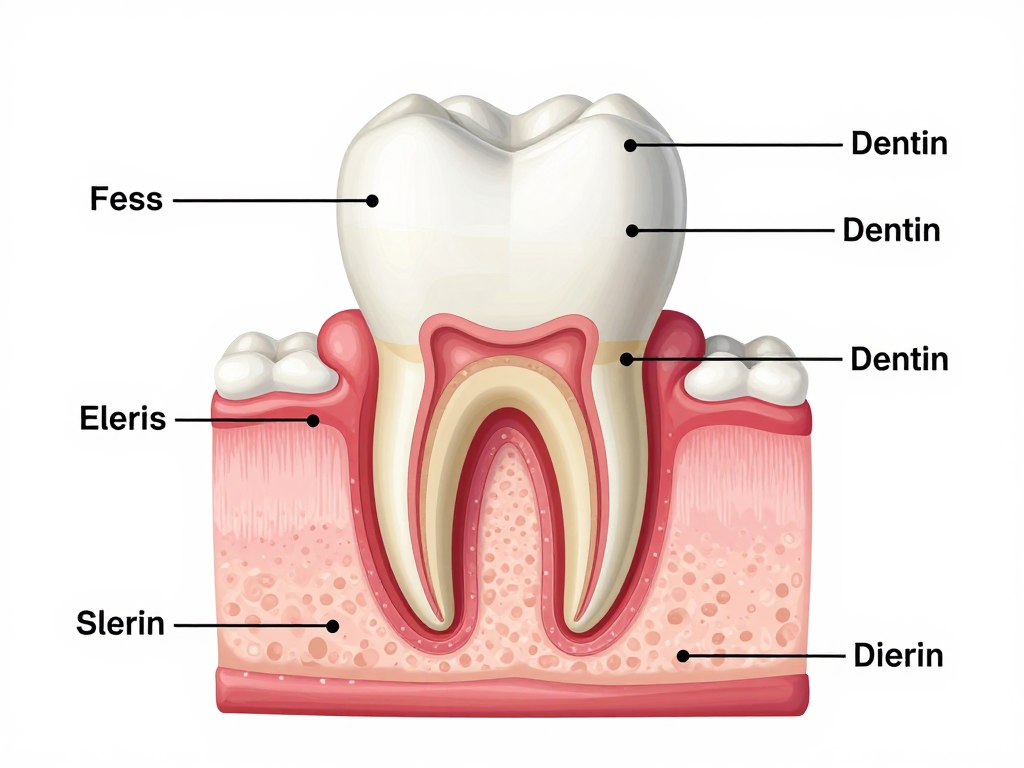
The supporting structures include bone and ligaments holding teeth in place. When gum disease progresses, it attacks these foundations. This leads to tooth loss if untreated.
How Plaque Becomes Your Enemy
Plaque forms constantly on your teeth. This sticky film contains millions of bacteria. When you eat food with sugar or starches, these bacteria produce acid.
The acid attacks tooth enamel for 20 minutes after eating. Without proper care, plaque hardens into tartar within 24 to 72 hours. Once tartar forms, only professional cleaning can remove it.
Tartar buildup irritates gums and creates more surface area for bacteria. This progression explains why gum disease prevention requires consistent daily care. Missing even one day allows harmful bacteria to multiply.
The Connection Between Oral and Systemic Health
Your mouth serves as a window to overall health. Research links gum disease to heart disease, diabetes, and respiratory infections. Bacteria from your mouth enter your bloodstream through inflamed gums.
People with gum disease face twice the risk of heart disease. Diabetes makes gum disease worse, while gum disease makes blood sugar harder to control. This creates a dangerous cycle.
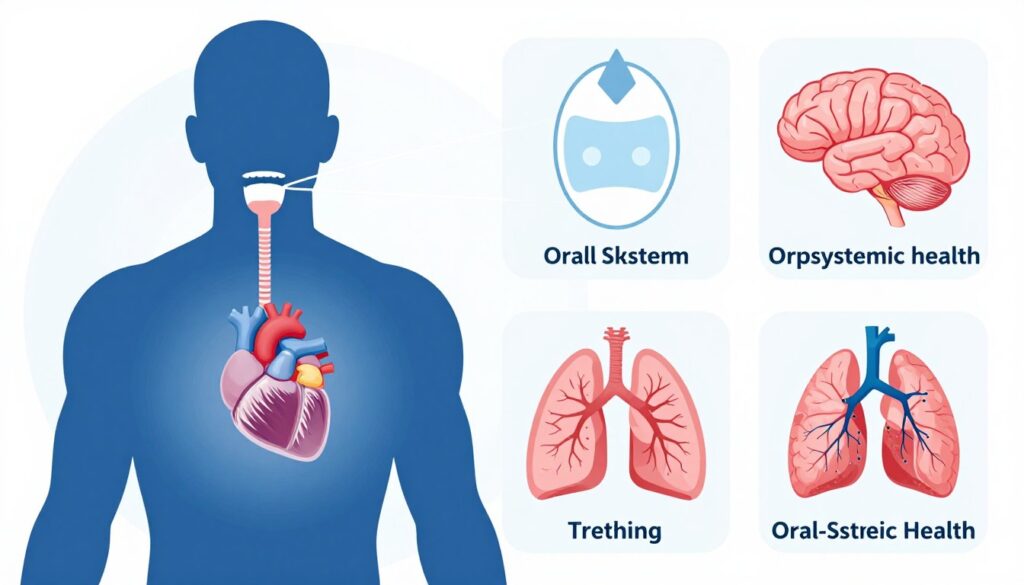
Pregnant women with gum disease have higher risks of premature birth. Oral bacteria can reach the lungs, causing pneumonia in vulnerable individuals. These connections make oral health crucial for your entire body.
Myth vs. Fact
Myth: Bleeding gums are normal when you start flossing.
Fact: Healthy gums don’t bleed. Bleeding indicates inflammation from gum disease, even if mild. Continue gentle flossing, and bleeding should stop within a week as gums heal.
Myth: You only need to visit the dentist when something hurts.
Fact: Most dental problems develop without pain until advanced stages. Regular exams catch issues early when treatment is simpler and less expensive.
Daily Checklist: Foundation Habits
- Brush teeth twice daily for two minutes each time
- Floss once daily before bedtime
- Rinse mouth with water after meals and snacks
- Check gums for bleeding or changes in color
- Drink water throughout the day to maintain saliva flow
Key Takeaway
Your oral health directly impacts your overall wellbeing. Understanding the science behind tooth decay and gum disease empowers you to make informed decisions. Prevention costs far less than treatment, both financially and in terms of your health. Start implementing these foundation principles today for a lifetime of healthy teeth and gums.
“The mouth is the mirror of the body. What happens in your mouth affects your entire system.”
Chapter 2: Building Your Daily Oral Hygiene Routine
An effective oral hygiene routine takes just six minutes daily yet prevents thousands of dollars in dental treatments. The key lies in proper technique, not just frequency.
The Science of Proper Brushing Technique
Most people brush incorrectly, missing crucial areas where plaque accumulates. Position your toothbrush at a 45-degree angle to your gums. This angle allows bristles to clean both teeth and the gum line.
Use gentle circular motions rather than harsh back-and-forth scrubbing. Aggressive brushing damages enamel and causes gum recession. Apply only light pressure, letting the bristles do the work.
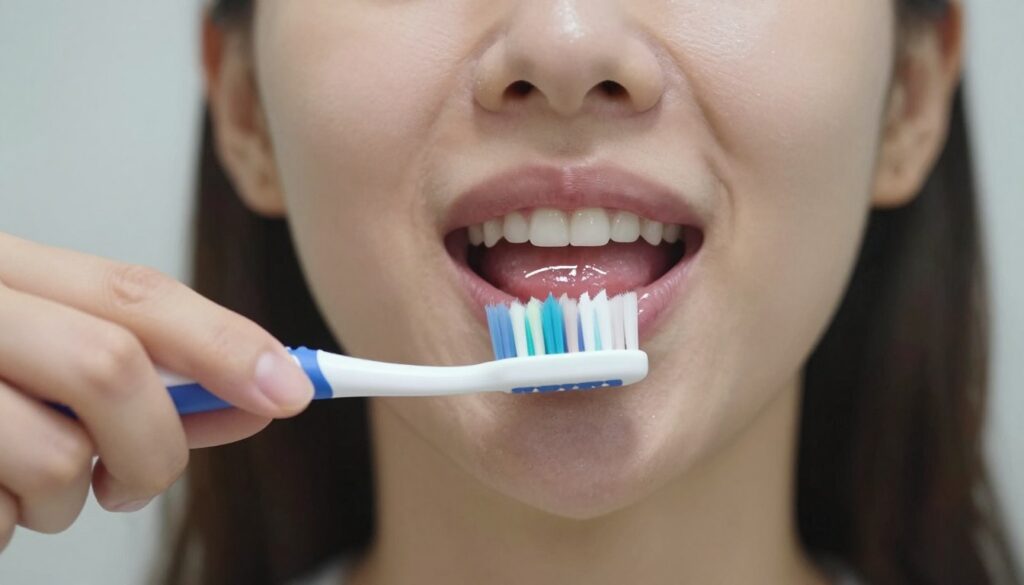
Divide your mouth into four quadrants. Spend 30 seconds on each section to ensure thorough cleaning. Don’t forget to brush your tongue, where bacteria accumulate and cause bad breath.
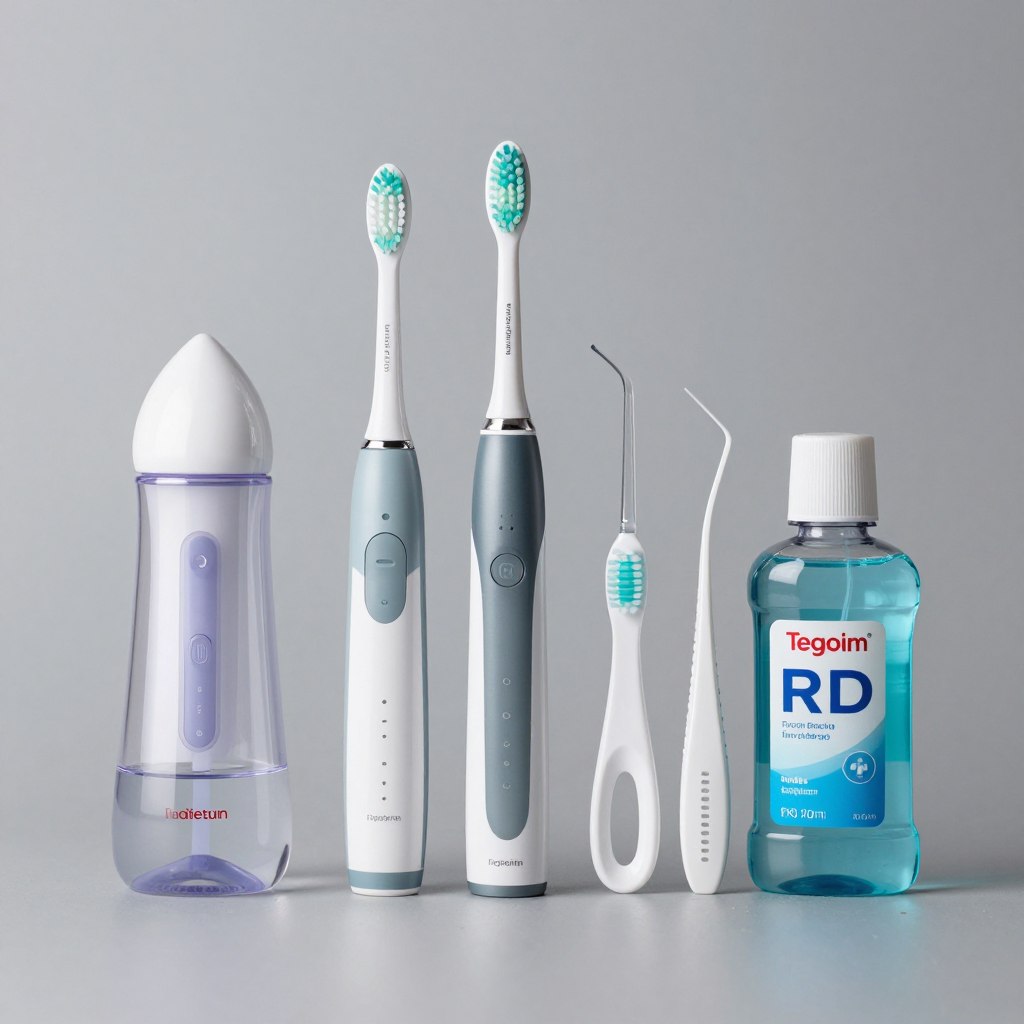
Electric toothbrushes with pressure sensors help prevent over-brushing. Studies show electric brushes remove more plaque than manual brushes when used correctly. Replace brush heads every three months or when bristles fray.
Flossing: Why It Matters More Than You Think
Brushing alone cleans only 60% of tooth surfaces. The remaining 40% exists between teeth where bristles cannot reach. This is where gum disease often begins.
Wind 18 inches of floss around your middle fingers, leaving two inches to work with. Gently slide floss between teeth using a sawing motion. Curve it into a C-shape against each tooth.
Move floss up and down against the tooth surface, going slightly below the gum line. Use a fresh section of floss for each tooth to avoid transferring bacteria. The entire process takes just two minutes.
Traditional Floss Benefits
- Most effective for tight spaces
- Inexpensive and portable
- Allows maximum control
- Reaches below gum line easily
Water Flosser Benefits
- Easier for people with braces
- Gentler on sensitive gums
- Good for limited dexterity
- Massages gums while cleaning
Choosing the Right Products for Your Needs
The dental care aisle overwhelms with hundreds of options. Understanding what works helps you invest wisely in your oral health.
Select toothpaste containing fluoride, which strengthens enamel and prevents decay. The American Dental Association seal indicates products meeting safety and effectiveness standards.
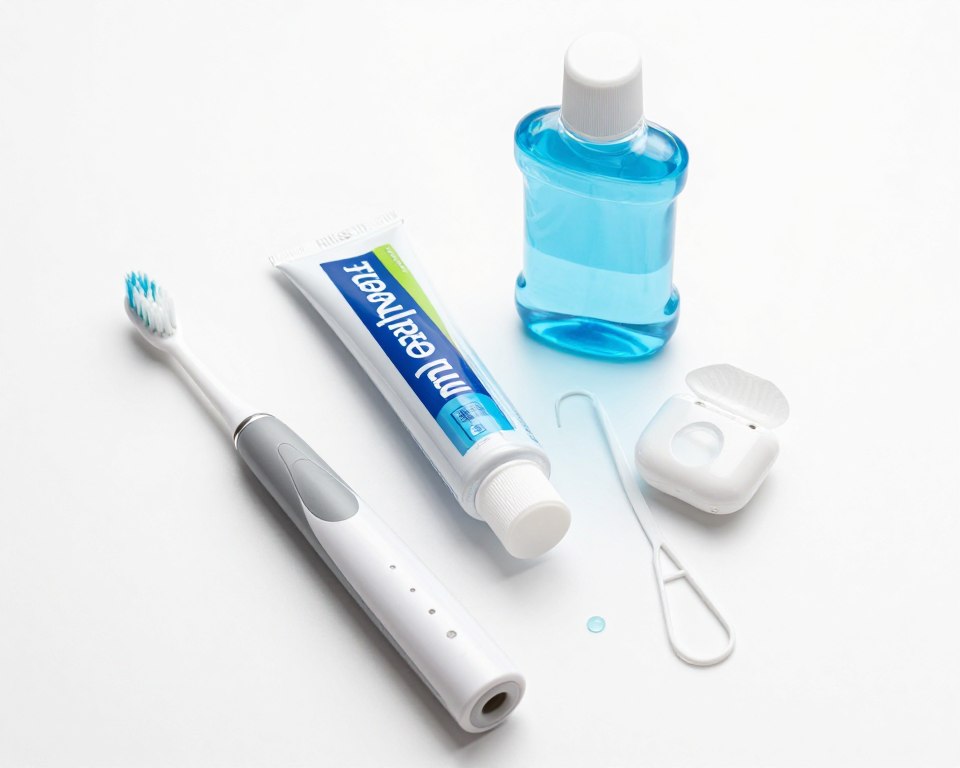
For sensitive teeth, choose toothpaste with potassium nitrate or stannous fluoride. These ingredients block pain signals from reaching nerves. Use sensitivity toothpaste consistently for at least two weeks to see results.
Mouthwash serves different purposes depending on ingredients. Fluoride rinses strengthen enamel. Antibacterial rinses reduce plaque and gingivitis. Avoid alcohol-based mouthwashes if you have dry mouth, as they worsen the condition.
Myth vs. Fact
Myth: Harder bristles clean teeth better.
Fact: Soft bristles effectively remove plaque without damaging enamel or gums. Hard bristles cause gum recession and enamel wear over time.
Myth: Whitening toothpaste damages enamel.
Fact: ADA-approved whitening toothpaste is safe for daily use. However, whitening toothpaste removes only surface stains and cannot change natural tooth color.
Daily Checklist: Complete Oral Hygiene Routine
- Brush for two minutes in the morning after breakfast
- Floss once daily, preferably before bedtime
- Rinse with fluoride mouthwash after brushing at night
- Clean your tongue using a scraper or toothbrush
- Drink water after meals to rinse away food particles
- Replace your toothbrush every three months
Key Takeaway
Proper technique matters more than expensive products. Master the basics of brushing and flossing before adding supplements to your routine. Consistency transforms these simple habits into powerful prevention tools. Your six-minute daily investment protects your smile for decades.
Get Your Free Oral Care Checklist
Download our comprehensive daily oral hygiene checklist plus receive weekly dental health tips backed by science. Join over 10,000 people taking control of their oral health.
Chapter 3: Gum Disease Prevention Strategies
Gum disease affects nearly half of adults over 30. The good news? It’s almost entirely preventable with proper care and early intervention.
Recognizing Early Warning Signs
Gingivitis, the earliest stage, causes red and swollen gums that bleed easily. Many people ignore these symptoms, assuming they’re normal. They’re not.
Your gums should never bleed during brushing or flossing. Bleeding signals inflammation from bacterial infection. Other warning signs include persistent bad breath, receding gums, and tender gum tissue.
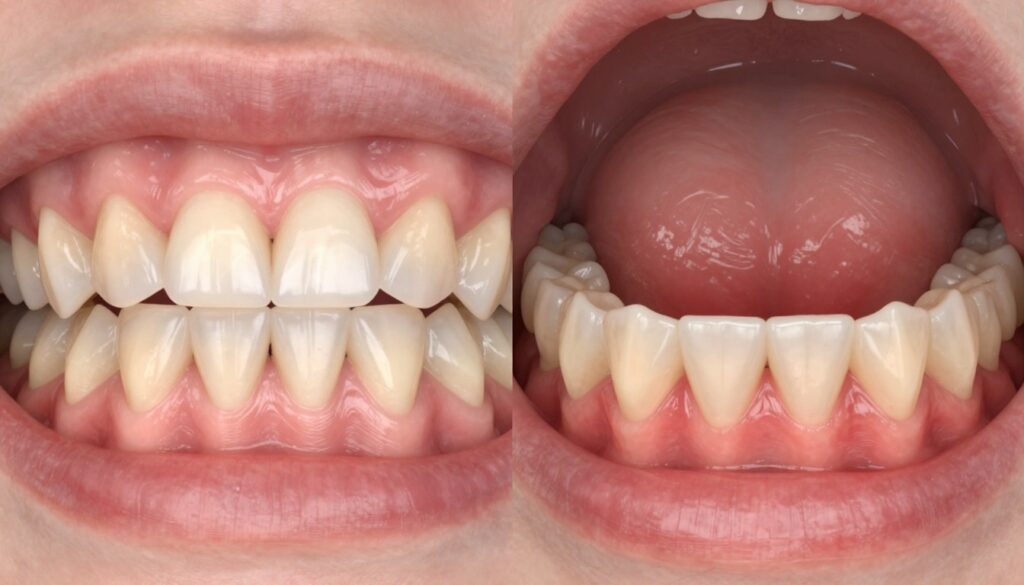
Advanced periodontitis creates deeper symptoms. Teeth may feel loose or shift position. Pus appears between teeth and gums. Pain develops when chewing. At this stage, you’ve lost bone support around teeth.
Check your gums weekly. Use a mirror to examine color and texture. Healthy gums look pink and firm, forming tight seals around teeth. Schedule a dental exam immediately if you notice changes.
Risk Factors You Can Control
Smoking multiplies your risk of gum disease by six times. Tobacco restricts blood flow to gums, preventing healing and masking symptoms. Smokers often don’t notice bleeding gums because nicotine constricts blood vessels.
Stress weakens your immune system’s ability to fight gum infections. High cortisol levels increase inflammation throughout your body, including your mouth. Practice stress management for better oral health.
Poor nutrition deprives gums of nutrients needed for tissue repair. Vitamin C deficiency causes bleeding gums. Calcium and vitamin D strengthen bones supporting your teeth.
Controllable Risk Factors
These factors increase gum disease risk but can be modified through lifestyle changes:
- Smoking and tobacco use
- Poor oral hygiene habits
- Uncontrolled diabetes
- Chronic stress levels
- Inadequate nutrition
- Teeth grinding habits
Uncontrollable Risk Factors
These factors require extra vigilance and professional monitoring:
- Genetic predisposition
- Age over 65 years
- Hormonal changes in women
- Certain medications causing dry mouth
- Autoimmune diseases
- Cancer treatments
Professional Treatments That Work
Regular dental cleanings remove tartar that brushing cannot eliminate. Dentists recommend cleanings every six months for most people. Those with gum disease may need cleanings every three months.
Scaling and root planing treats early periodontitis. This deep cleaning removes plaque and tartar from below the gum line. The procedure smooths root surfaces, helping gums reattach to teeth.
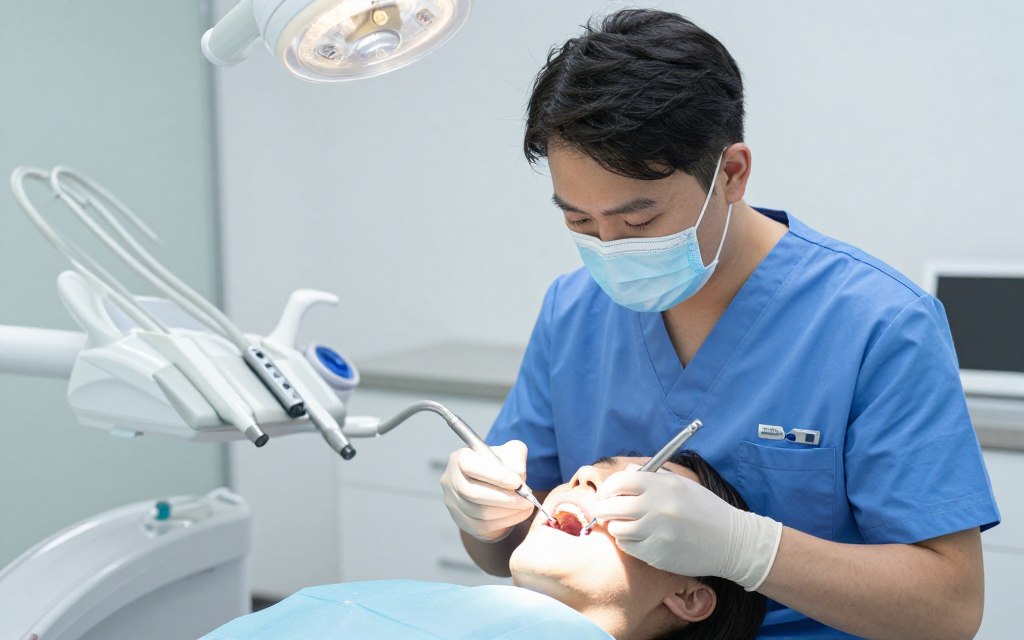
Advanced cases may require periodontal surgery. Flap surgery allows deep cleaning of tooth roots and reshaping of damaged bone. Bone grafts replace lost bone tissue, providing stability for teeth.
Antibiotic treatments supplement deep cleanings. Dentists may prescribe oral antibiotics or apply antimicrobial gels directly to gum pockets. These medications reduce bacterial infection while tissues heal.
Myth vs. Fact
Myth: Gum disease only affects your mouth.
Fact: Research links gum disease to heart disease, stroke, diabetes complications, and respiratory infections. Treating gum disease improves overall health outcomes.
Myth: If your gums don’t hurt, you don’t have gum disease.
Fact: Gum disease rarely causes pain until advanced stages. Regular dental exams detect problems before symptoms appear.
Daily Checklist: Gum Disease Prevention
- Brush teeth twice daily using proper technique
- Floss once daily to clean between teeth
- Rinse with antibacterial mouthwash after brushing
- Examine gums weekly for bleeding or changes
- Avoid tobacco products completely
- Schedule dental cleanings every six months
- Manage stress through regular exercise or meditation
Key Takeaway
Gum disease prevention starts with daily oral hygiene and regular dental visits. Recognizing early warning signs allows simple treatment before permanent damage occurs. Your lifestyle choices significantly impact your risk. Take control of factors you can change while monitoring those you cannot.
Chapter 4: Managing Tooth Sensitivity and Pain
Sharp pain when drinking cold water or eating ice cream affects millions of adults. Understanding tooth sensitivity causes helps you find lasting relief rather than just managing symptoms.
Understanding Sensitivity Causes
Tooth sensitivity occurs when dentin becomes exposed. This inner layer contains thousands of tiny tubes leading to nerve endings. Hot, cold, sweet, or acidic substances travel through these tubes, triggering pain.
Enamel erosion from acidic foods and drinks exposes dentin. Brushing too hard wears away enamel and causes gum recession. Grinding teeth damages enamel structure. Dental procedures temporarily increase sensitivity as nerves become irritated.
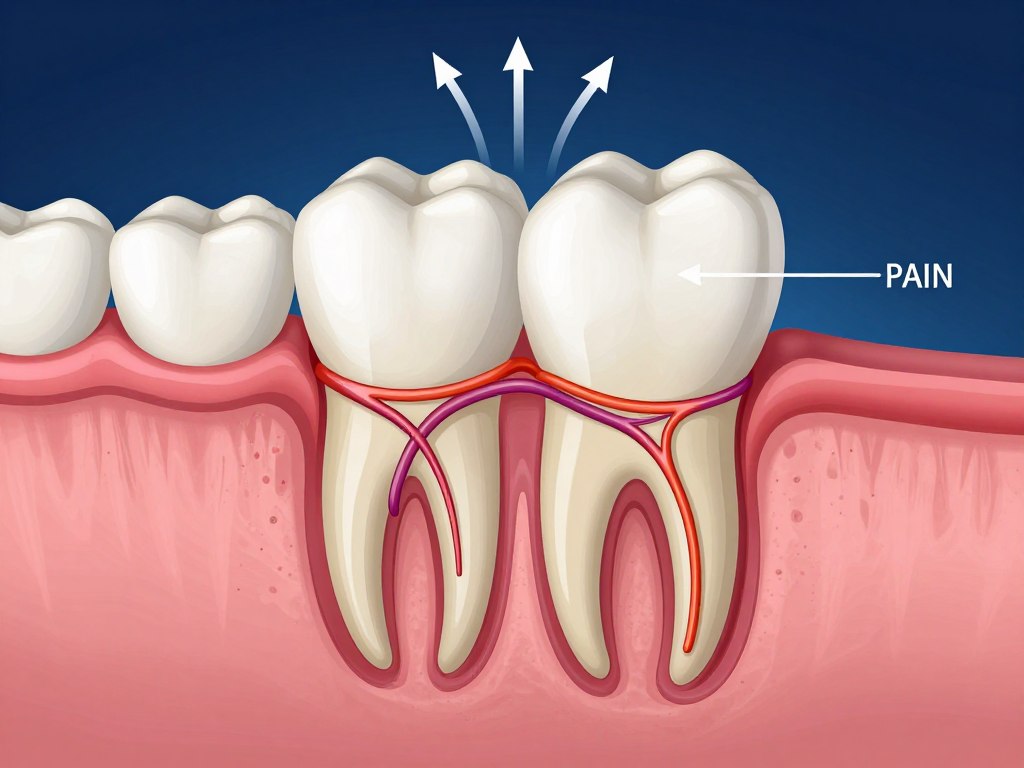
Cavities create pathways directly to nerves. Cracked teeth expose inner layers to external stimuli. Old fillings may leak, allowing temperature changes to reach nerves. Each cause requires different treatment approaches.
Best Toothpaste for Sensitive Teeth
Desensitizing toothpaste blocks pain signals or seals dentin tubules. Potassium nitrate calms nerve endings, reducing sensitivity over time. Stannous fluoride creates a protective layer over exposed dentin while strengthening enamel.
Apply sensitivity toothpaste directly to affected areas before bed. Let it sit for several minutes without rinsing. This concentrated exposure provides better results than brief brushing alone.
Results take two to four weeks of consistent use. Don’t switch products during this period. If one formula doesn’t work after a month, try a different active ingredient. Some people respond better to certain compounds.
Potassium Nitrate Formula
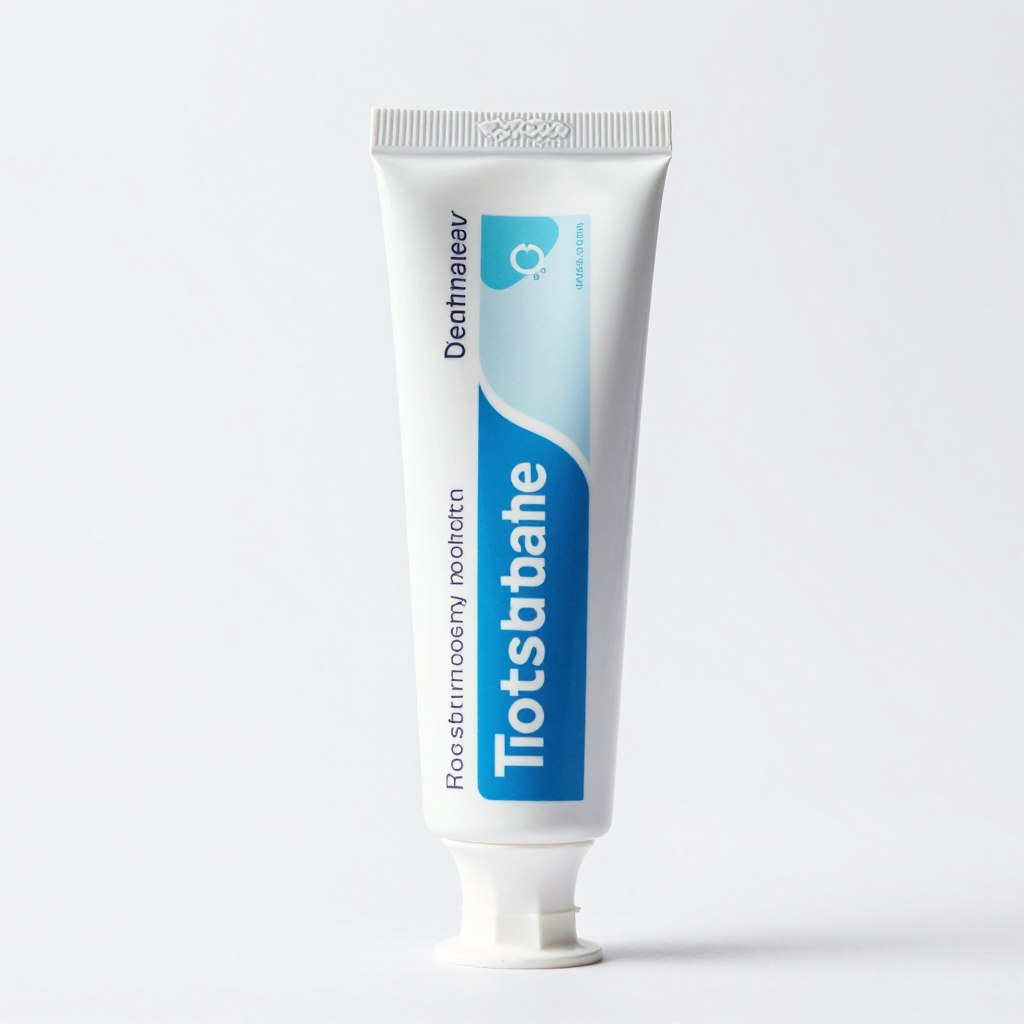
- Desensitizes nerve endings
- Works within 2-4 weeks
- Safe for daily use
- Prevents future sensitivity
Best for general sensitivity affecting multiple teeth. Requires consistent use for optimal results.
Stannous Fluoride Formula
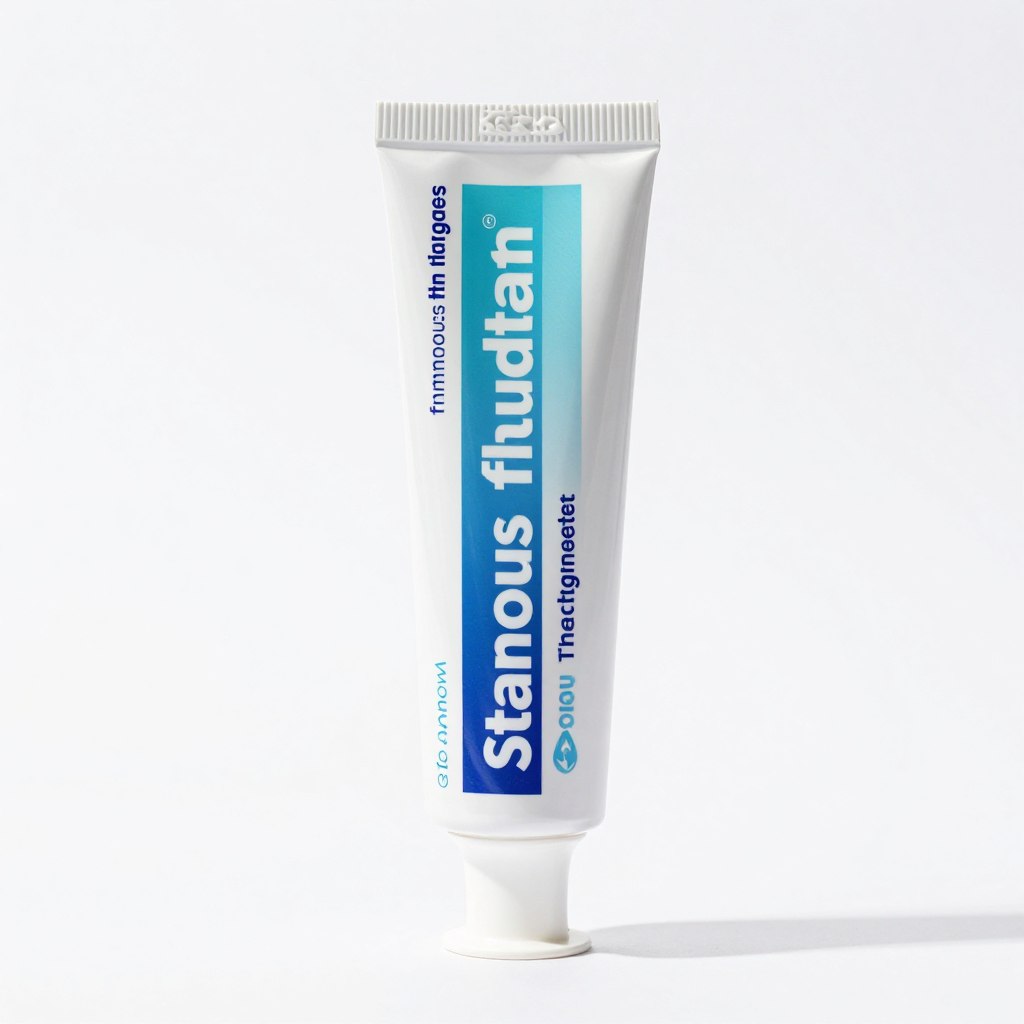
- Seals exposed dentin
- Strengthens enamel
- Reduces bacterial growth
- Faster relief than potassium
Ideal for sensitivity combined with gum issues. Provides dual protection against decay and sensitivity.
Arginine Formula
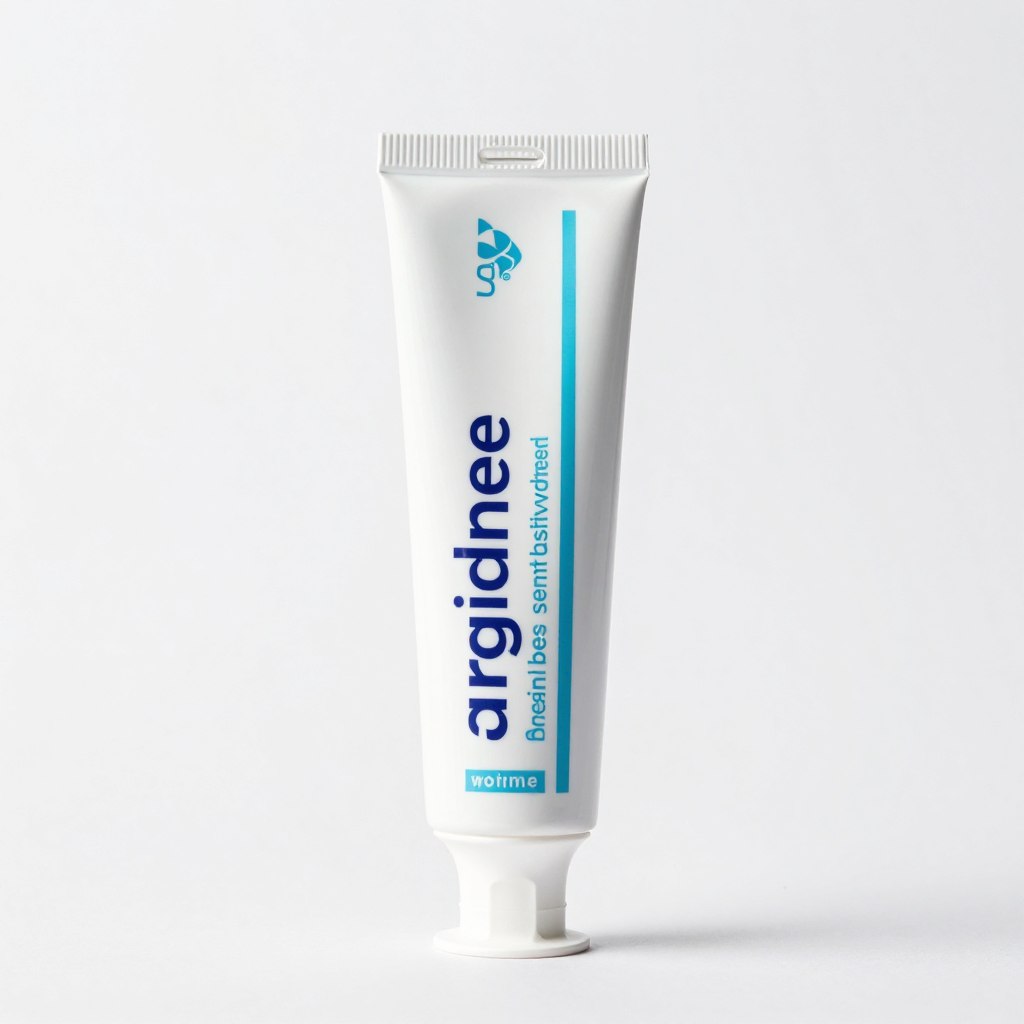
- Instant pain relief
- Physically seals tubules
- Works on contact
- Long-lasting protection
Perfect for severe sensitivity requiring immediate relief. More expensive but highly effective.
Home Remedies That Provide Relief
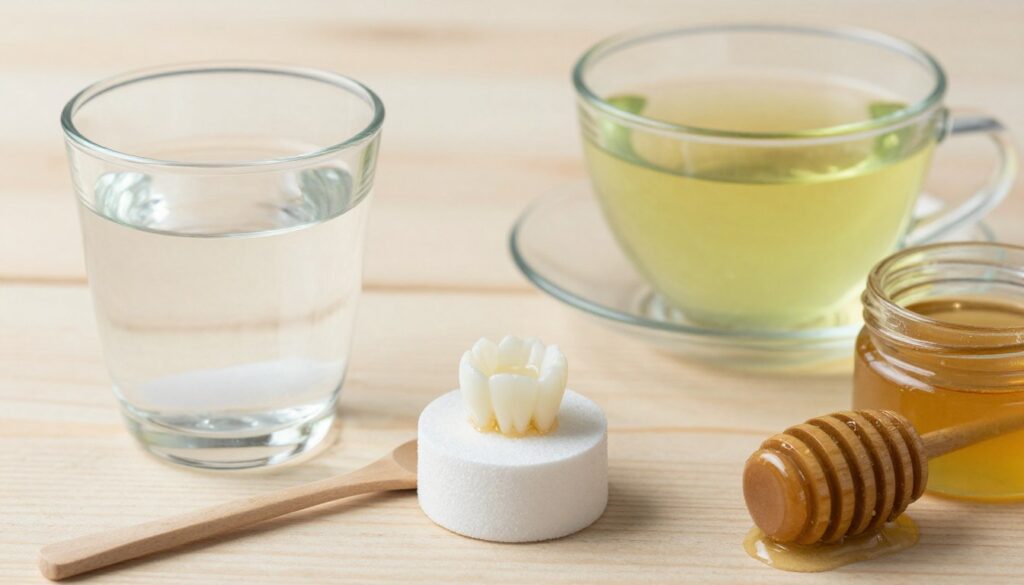
Saltwater rinses reduce inflammation and clean teeth gently. Mix half a teaspoon of salt in warm water. Swish for 30 seconds twice daily. This simple solution soothes irritated gums and promotes healing.
Green tea contains anti-inflammatory compounds that strengthen teeth. Drink unsweetened green tea twice daily or use it as a mouthwash. The natural fluoride in tea helps remineralize enamel.
Avoid acidic foods and drinks when experiencing sensitivity. Citrus fruits, soda, and wine erode enamel further. Wait at least 30 minutes after consuming acidic items before brushing to prevent additional damage.
Use a soft-bristled toothbrush and gentle pressure. Switch to lukewarm water for rinsing. These small adjustments reduce irritation while maintaining proper oral hygiene.
Myth vs. Fact
Myth: Tooth sensitivity means you have cavities.
Fact: While cavities cause sensitivity, most sensitivity results from exposed dentin due to enamel erosion or gum recession. A dentist can diagnose the specific cause.
Myth: Sensitivity toothpaste works immediately.
Fact: Most sensitivity toothpastes require two to four weeks of consistent use before providing noticeable relief.
Daily Checklist: Sensitivity Management
- Brush with sensitivity toothpaste twice daily
- Use a soft-bristled toothbrush with gentle pressure
- Apply sensitivity toothpaste directly to affected areas at night
- Avoid extremely hot or cold foods and drinks
- Limit acidic foods that erode enamel
- Wait 30 minutes after eating before brushing
- Schedule a dental exam to identify underlying causes
Key Takeaway
Tooth sensitivity isn’t something you must endure. Understanding the cause guides effective treatment. Specialized toothpastes combined with gentle oral care practices provide relief for most people. Persistent sensitivity requires professional evaluation to rule out serious problems. Take action today to enjoy your favorite foods without pain tomorrow.
Chapter 5: Natural Teeth Whitening Solutions
A bright smile boosts confidence, but harsh whitening treatments damage enamel. Natural teeth whitening methods safely improve your smile while protecting long-term oral health.
Safe Whitening Methods That Work
Baking soda gently removes surface stains through mild abrasion. Mix a small amount with water to form a paste. Brush with this mixture twice weekly, not daily. Overuse erodes enamel despite baking soda’s gentle nature.
Oil pulling with coconut oil reduces bacteria and removes surface stains. Swish one tablespoon of coconut oil for 15-20 minutes before breakfast. Spit into trash, not your sink, as oil clogs pipes. Rinse thoroughly with water afterward.

Hydrogen peroxide diluted to 1.5-3% concentration safely whitens teeth. Use it as a pre-brush rinse for 30 seconds. Never swallow hydrogen peroxide. This method works gradually over several weeks.
Professional whitening treatments supervised by dentists provide faster results with proper enamel protection. Custom-fitted trays ensure even application and prevent gum irritation. These treatments cost more but deliver predictable outcomes.
Foods That Naturally Clean Teeth
Crunchy fruits and vegetables act as natural toothbrushes. Apples, carrots, and celery stimulate saliva production while mechanically cleaning tooth surfaces. Their fibrous texture scrubs away plaque and food particles.
Strawberries contain malic acid, which naturally whitens teeth. Mash one strawberry and apply to teeth for five minutes weekly. Rinse thoroughly and brush afterward, as fruit acids can erode enamel with prolonged contact.
Cheese raises mouth pH, neutralizing acids that cause stains and decay. The calcium and phosphates in cheese remineralize enamel. Enjoy a small piece of cheese after meals to protect your smile.
Foods That Whiten Teeth
Include these foods regularly for natural stain prevention:
- Apples and pears
- Carrots and celery
- Strawberries
- Cheese and yogurt
- Nuts and seeds
- Cauliflower and broccoli
Foods That Stain Teeth
Limit or rinse after consuming these staining culprits:
- Coffee and black tea
- Red wine
- Dark berries
- Soy sauce and balsamic vinegar
- Cola and dark sodas
- Tomato-based sauces
Avoiding Whitening Myths and Dangers
Activated charcoal lacks scientific evidence for whitening teeth. Its abrasiveness damages enamel over time. The black powder can lodge in cracks and gaps, creating unsightly dark spots.
Lemon juice and apple cider vinegar erode enamel despite removing surface stains. The high acidity dissolves tooth structure, causing permanent damage and increased sensitivity. Never use acidic substances directly on teeth.
Overusing whitening strips causes sensitivity and uneven results. Follow product instructions exactly. More frequent application doesn’t speed results but increases damage risk. Limit whitening treatments to manufacturer recommendations.
Some natural methods work slowly but safely. Others promise quick results while destroying your teeth. When in doubt, consult your dentist before trying new whitening approaches.
Myth vs. Fact
Myth: Natural whitening works as fast as professional treatments.
Fact: Natural methods require weeks or months for noticeable results. Professional treatments deliver visible changes within days but should be dentist-supervised.
Myth: If it’s natural, it’s safe for your teeth.
Fact: Natural acids like lemon juice damage enamel permanently. Natural doesn’t always mean safe. Research methods before trying them.
Key Takeaway
Natural teeth whitening requires patience and realistic expectations. Safe methods gradually improve your smile without damaging enamel. Avoid acidic treatments and overly abrasive products. Combine gentle whitening approaches with proper oral hygiene for lasting results. Remember that healthy teeth matter more than perfectly white teeth.
Chapter 6: Nutrition for Healthy Teeth and Gums
What you eat directly impacts your oral health. Proper nutrition strengthens teeth, supports gum tissue, and helps prevent tooth decay and gum disease.
Foods That Strengthen Teeth
Calcium builds strong tooth enamel and jawbone. Dairy products, leafy greens, and almonds provide excellent calcium sources. Adults need 1,000-1,200 mg daily for optimal bone and tooth health.
Phosphorus works with calcium to remineralize teeth. Meat, fish, eggs, and nuts contain high phosphorus levels. This mineral repairs early damage to tooth enamel before cavities form.

Vitamin D helps your body absorb calcium effectively. Sun exposure provides vitamin D, but many people need supplements, especially in winter. Fatty fish, egg yolks, and fortified foods contain vitamin D.
Crunchy vegetables like carrots and celery increase saliva production. Saliva neutralizes acids and washes away food particles. These foods also massage gums, promoting healthy blood flow.
Nutrients Essential for Gum Health
Vitamin C maintains healthy gum tissue and prevents bleeding gums. Deficiency causes scurvy, characterized by severe gum disease. Citrus fruits, peppers, and strawberries provide abundant vitamin C.
Antioxidants fight inflammation and support immune function. Colorful fruits and vegetables contain various antioxidants protecting gums from infection. Aim for five servings daily of different colored produce.
Omega-3 fatty acids reduce inflammation throughout your body, including your gums. Research shows people consuming adequate omega-3s have less gum disease. Salmon, sardines, walnuts, and flaxseeds provide omega-3s.
| Nutrient | Benefit for Oral Health | Food Sources | Daily Recommendation |
| Calcium | Strengthens enamel and jawbone | Dairy, leafy greens, almonds | 1,000-1,200 mg |
| Vitamin D | Enhances calcium absorption | Fatty fish, egg yolks, sunlight | 600-800 IU |
| Vitamin C | Maintains healthy gum tissue | Citrus fruits, peppers, berries | 75-90 mg |
| Phosphorus | Remineralizes tooth enamel | Meat, fish, eggs, nuts | 700 mg |
| Omega-3 Fatty Acids | Reduces gum inflammation | Fatty fish, walnuts, flaxseeds | 250-500 mg |
What to Avoid for Optimal Oral Health
Sugar feeds bacteria that produce acid, attacking tooth enamel. Limit sugary snacks and drinks. When you consume sugar, do so with meals rather than between meals. This reduces the number of acid attacks on teeth.
Sticky foods like dried fruit and candy cling to teeth for extended periods. Bacteria feast on these residues, producing acid continuously. Brush soon after eating sticky foods or rinse thoroughly with water.

Acidic beverages erode enamel directly. Soda, sports drinks, and fruit juice have low pH levels that dissolve tooth structure. Drink acidic beverages through a straw to minimize contact with teeth. Rinse with water afterward.
Frequent snacking creates constant acid attacks on teeth. Each time you eat, bacteria produce acid for 20 minutes. Three meals daily with minimal snacking protects teeth better than constant grazing.
Myth vs. Fact
Myth: Sugar-free products are safe for teeth.
Fact: Many sugar-free products contain acids that erode enamel. Diet sodas damage teeth despite lacking sugar. Check pH levels, not just sugar content.
Myth: Fruit juice is as healthy as whole fruit for teeth.
Fact: Juice concentrates sugar and removes protective fiber. Whole fruits stimulate saliva and clean teeth mechanically. Choose whole fruits over juice.
Daily Checklist: Nutrition for Oral Health
- Eat calcium-rich foods with each meal
- Include vitamin C sources daily
- Consume omega-3 fatty acids three times weekly
- Drink water after meals and snacks
- Limit sugary foods and drinks
- Avoid frequent snacking between meals
- Choose whole fruits over fruit juice
Key Takeaway
Nutrition profoundly affects oral health beyond brushing and flossing. Build strong teeth through calcium, phosphorus, and vitamin D intake. Support gum health with vitamin C and omega-3 fatty acids. Minimize sugar and acid exposure to protect enamel. Your diet serves as medicine or poison for your teeth. Choose wisely for a lifetime of healthy smiles.
Chapter 7: Dental Care for Seniors and Aging Teeth
Oral health challenges increase with age, but tooth loss isn’t inevitable. Understanding age-related changes helps seniors maintain healthy teeth and gums throughout their golden years.
Age-Related Oral Health Challenges
Gum recession exposes tooth roots as we age. Roots lack protective enamel, making them vulnerable to decay and sensitivity. This natural process accelerates without proper care.
Dry mouth affects many seniors, often caused by medications. Reduced saliva production increases cavity risk and makes swallowing difficult. Saliva neutralizes acids and washes away bacteria naturally.
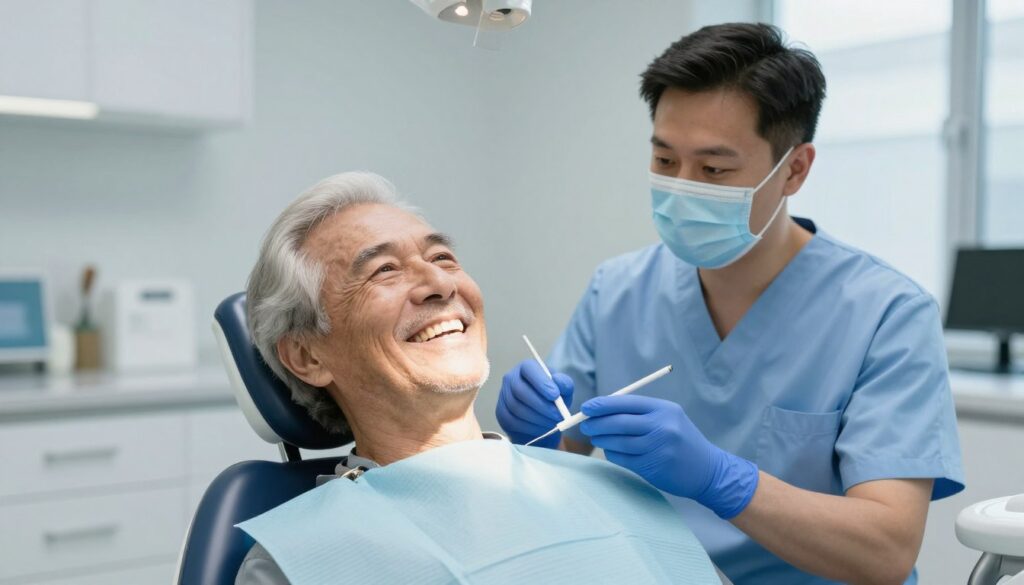
Bone loss weakens the foundation supporting teeth. Osteoporosis affects jawbones similarly to other bones. Women face higher risk due to hormonal changes after menopause.
Oral cancer risk increases with age. Regular dental exams screen for suspicious lesions. Early detection dramatically improves treatment outcomes. Dentists examine soft tissues during routine visits.
Adapting Your Routine as You Age
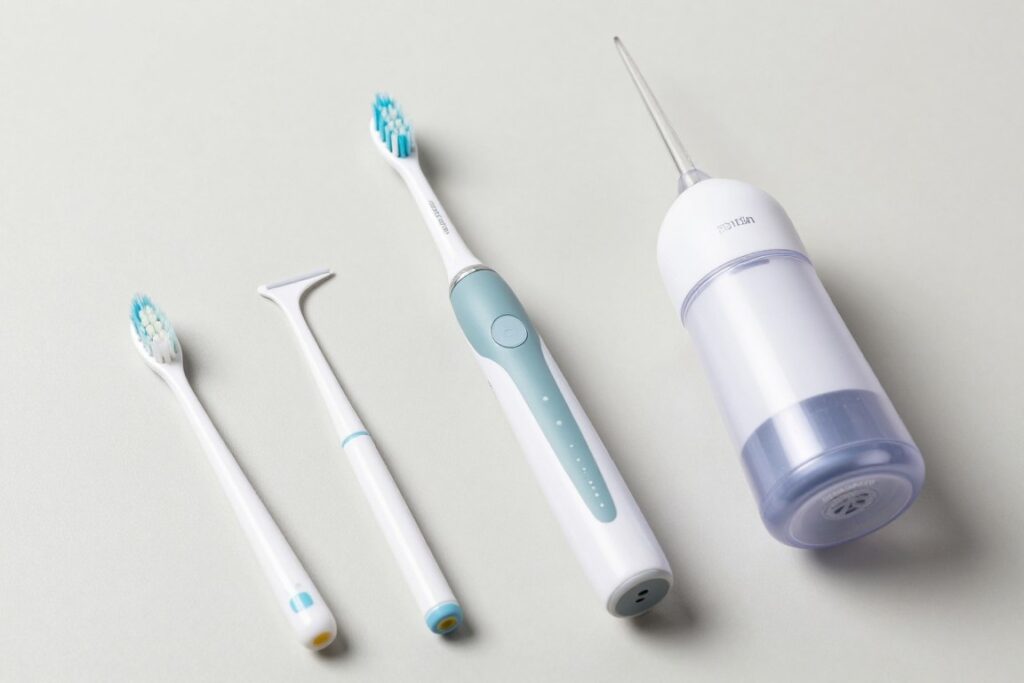
Electric toothbrushes benefit seniors with arthritis or limited dexterity. The powered brushing motion compensates for reduced hand strength. Many models include pressure sensors preventing damage from over-brushing.
Floss holders or water flossers ease cleaning for those with mobility challenges. These tools require less manual dexterity than traditional floss. Effective cleaning matters more than the specific tool used.
Fluoride becomes increasingly important for seniors. Use prescription-strength fluoride toothpaste if recommended by your dentist. Fluoride treatments during dental visits strengthen tooth roots exposed by gum recession.
Modified Oral Care Tools for Seniors
Specialized products address age-related challenges effectively:
- Electric toothbrushes with ergonomic handles
- Floss holders for easier reach
- Water flossers for sensitive gums
- Extra-soft toothbrush bristles
- Prescription fluoride products
- Denture care systems
- Mouth moisturizers for dry mouth
Managing Medications and Dry Mouth
Over 400 medications cause dry mouth as a side effect. Blood pressure drugs, antidepressants, and antihistamines commonly reduce saliva production. Never stop medications without consulting your doctor, but discuss alternatives if dry mouth becomes severe.
Sip water frequently throughout the day. Keep a water bottle nearby and drink small amounts often. Avoid beverages containing caffeine or alcohol, which worsen dehydration.

Sugar-free gum and lozenges stimulate saliva production. Xylitol-sweetened products provide additional cavity protection. Chew gum for 20 minutes after meals to increase saliva flow when acid attacks occur.
Artificial saliva products coat and protect oral tissues. These over-the-counter sprays and gels provide temporary relief. Apply before meals to ease chewing and swallowing.
Humidifiers add moisture to bedroom air, reducing nighttime dry mouth. Breathing through your nose rather than mouth also helps. Address any conditions causing mouth breathing, such as sleep apnea.
Myth vs. Fact
Myth: Losing teeth is a normal part of aging.
Fact: With proper care, you can keep your natural teeth for life. Tooth loss results from preventable gum disease and decay, not age itself.
Myth: Dentures don’t require dental visits.
Fact: Denture wearers need regular dental exams to check for oral cancer, ensure proper fit, and maintain gum health.
Daily Checklist: Dental Care for Seniors
- Brush twice daily with fluoride toothpaste
- Use adapted tools if dexterity is limited
- Sip water frequently to combat dry mouth
- Chew sugar-free gum after meals
- Apply mouth moisturizer as needed
- Take medications with water, not juice
- Schedule dental exams every six months
- Clean dentures thoroughly daily if applicable
Key Takeaway
Aging presents unique oral health challenges, but modern tools and techniques help seniors maintain excellent dental care. Address dry mouth promptly to prevent complications. Adapt your oral hygiene routine to accommodate physical limitations. Regular dental visits become even more critical as you age. Your natural teeth can last a lifetime with proper attention and care.
Chapter 8: Professional Dental Care Essentials
Regular dental visits prevent small problems from becoming expensive emergencies. Understanding what happens during professional care helps you make informed decisions about your oral health.
What Happens During Dental Exams
Comprehensive exams begin with reviewing your medical history. Certain health conditions and medications affect oral health. Your dentist needs this information to provide safe, effective care.
Visual examination checks for cavities, gum disease, and oral cancer. Dentists examine every tooth surface, gum tissue, tongue, and soft palate. They look for changes in color, texture, or shape indicating problems.
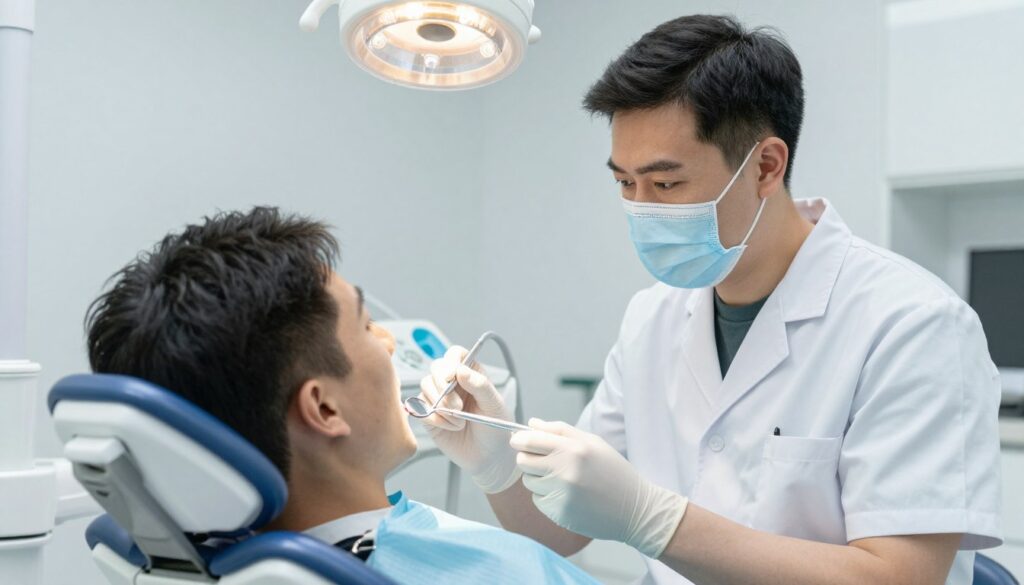
X-rays reveal problems invisible to the naked eye. Bitewing X-rays detect cavities between teeth. Panoramic X-rays show jawbone health and developing wisdom teeth. The frequency of X-rays depends on your cavity risk and history.
Periodontal probing measures gum pocket depths around each tooth. Healthy gums have pockets 1-3 millimeters deep. Deeper pockets indicate gum disease requiring treatment. This painless measurement guides treatment planning.
Professional cleaning removes tartar buildup above and below the gum line. Hygienists use specialized instruments to scale away deposits. Polishing removes surface stains and creates smooth surfaces resistant to plaque accumulation.
When to See Your Dentist Immediately
Severe toothache signals infection or deep decay. Don’t wait for your scheduled appointment. Untreated infections spread to surrounding bone and even into your bloodstream. Pain often indicates significant damage requiring prompt treatment.
Knocked-out teeth can sometimes be saved if treated within an hour. Rinse the tooth gently without touching the root. Place it back in the socket if possible, or keep it in milk while rushing to the dentist.
Persistent bleeding from gums beyond a few minutes needs professional evaluation. While minor bleeding often indicates gingivitis, continuous bleeding may signal more serious conditions. Apply pressure with clean gauze and seek care.
Emergency Dental Situations
Contact your dentist immediately if you experience:
- Severe tooth pain lasting more than one day
- Swelling in your jaw, face, or gums
- Knocked-out or loosened adult tooth
- Cracked or broken tooth with pain
- Abscess or pus in your mouth
- Uncontrolled bleeding from gums or tongue
- Jaw injury or difficulty opening your mouth
Loose adult teeth indicate advanced gum disease or trauma requiring immediate attention. Your dentist may save the tooth with prompt treatment. Delay risks permanent tooth loss.
Facial swelling especially near the jaw suggests serious infection. This medical emergency requires immediate treatment. Infections can spread rapidly, causing life-threatening complications.
Understanding Common Dental Treatments
Fillings restore teeth damaged by decay. Modern composite resin fillings match tooth color and bond directly to tooth structure. The procedure removes decayed material and seals the tooth against further damage.
Root canals save severely infected teeth. Despite their reputation, modern root canals cause minimal discomfort. The procedure removes infected pulp, cleans the root canals, and seals the tooth. Crowns typically protect root-canal-treated teeth.
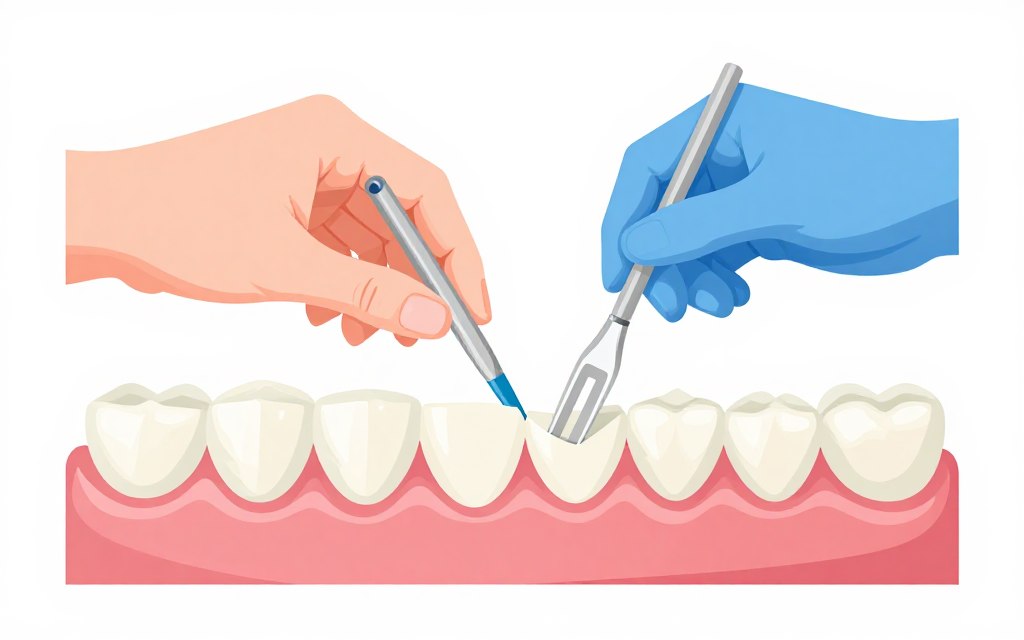
Crowns cover damaged teeth, restoring strength and appearance. They protect teeth weakened by large fillings or cracks. Modern crowns use porcelain or ceramic materials that look natural and last many years.
Scaling and root planing treats gum disease by deep cleaning below the gum line. This thorough cleaning removes bacterial deposits from tooth roots. The procedure may require local anesthesia for comfort.
Extractions remove teeth too damaged to save. While losing a tooth seems drastic, removing severely diseased teeth prevents infection spread. Replacement options include bridges, implants, or partial dentures.
Myth vs. Fact
Myth: You only need dental care when something hurts.
Fact: Most dental problems develop without pain until advanced stages. Regular check-ups catch issues when treatment is simpler and more affordable.
Myth: Dental X-rays are dangerous.
Fact: Modern digital X-rays use minimal radiation. The diagnostic benefits far outweigh the extremely small radiation risk.
Daily Checklist: Supporting Professional Care
- Schedule dental exams every six months
- Keep a list of current medications for your dentist
- Report any changes in your oral health between visits
- Follow through with recommended treatments promptly
- Maintain excellent home care between appointments
- Ask questions about procedures you don’t understand
- Keep your dentist’s emergency contact information accessible
Key Takeaway
Professional dental care complements your home oral hygiene routine. Regular exams catch problems early when treatment is simpler. Don’t ignore warning signs requiring immediate attention. Understanding common procedures reduces anxiety and helps you make informed decisions. Partner with your dentist for optimal oral health throughout your life.
Join Our 30-Day Oral Health Challenge
Transform your oral health in just one month. Receive daily tips, habit trackers, and expert guidance delivered to your inbox. Plus get instant access to our comprehensive dental care toolkit.
Chapter 9: Preventing Common Oral Health Problems
Prevention saves time, money, and discomfort. Understanding how common dental problems develop empowers you to stop them before they start.
Cavity Prevention Strategies
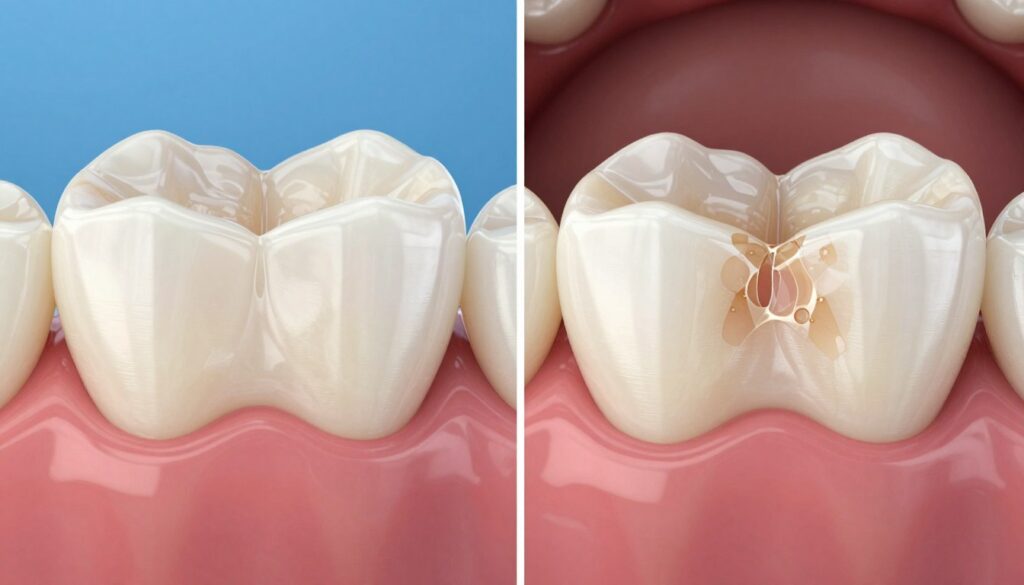
Cavities form when bacteria convert sugar into acid that dissolves tooth enamel. This process takes time, giving you multiple opportunities to intervene. Consistent oral hygiene disrupts bacterial colonies before they cause damage.
Fluoride strengthens enamel and reverses early decay. Use fluoride toothpaste twice daily and consider fluoride mouthwash if you’re cavity-prone. Professional fluoride treatments provide concentrated protection during dental visits.
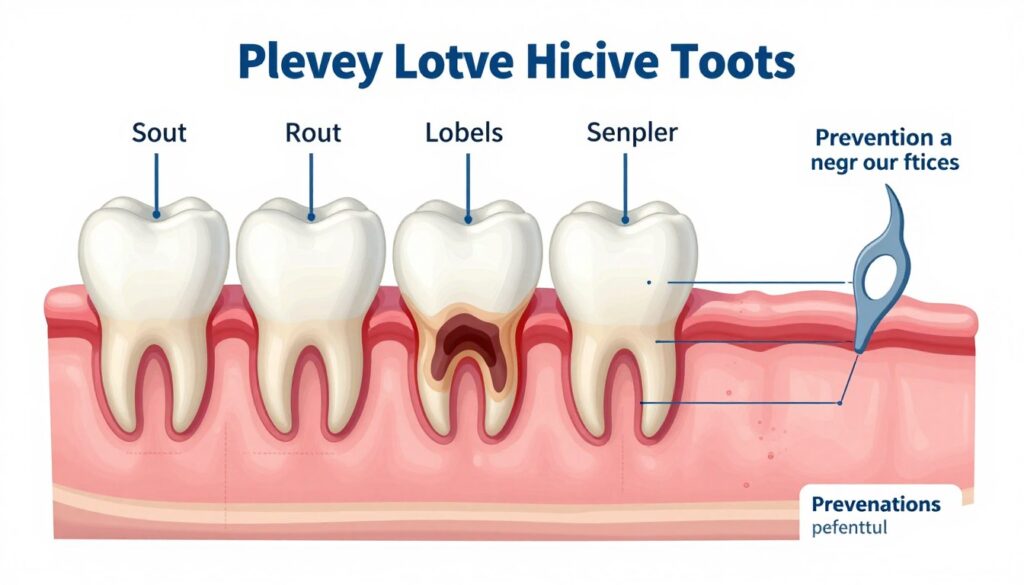
Dental sealants protect molars’ grooved surfaces where most cavities occur. This thin plastic coating fills deep grooves, preventing bacteria and food from settling there. Sealants last several years and dramatically reduce cavity risk.
Limit sugar consumption and acidic drinks. When you do indulge, consume them with meals rather than alone. Saliva production increases during meals, helping neutralize acids. Rinse with water after eating to remove food particles.
Managing Bad Breath Permanently
Chronic bad breath usually originates from bacteria on the tongue and in gum pockets. Surface cleaning with mouthwash provides temporary masking but doesn’t address the source. Mechanical removal of bacteria produces lasting results.
Clean your tongue daily using a tongue scraper or your toothbrush. Start at the back and pull forward gently. This removes the bacterial coating causing most bad breath. Repeat several times, rinsing the scraper between passes.
Dry mouth creates an environment where odor-causing bacteria thrive. Maintain hydration by drinking water throughout the day. Chew sugar-free gum to stimulate saliva production. Address dry mouth causes with your doctor or dentist.

Persistent bad breath despite good hygiene may indicate underlying problems. Gum disease, sinus infections, and digestive issues cause breath odor. Consult healthcare professionals if bad breath continues after improving oral hygiene.
Diet affects breath odor significantly. Garlic and onions enter your bloodstream and exit through your lungs. No amount of brushing eliminates this odor until your body processes these foods. Plan accordingly before important events.
Protecting Teeth from Grinding
Bruxism, or teeth grinding, often occurs during sleep. Many people grind unconsciously, discovering the problem only when dentists spot wear patterns or partners complain about noise. Left untreated, grinding damages teeth and causes jaw pain.
Custom nightguards protect teeth from grinding forces. Your dentist creates guards from impressions of your teeth. These appliances cushion teeth and prevent wear. Over-the-counter guards work for some people but custom guards fit better and last longer.
Stress management reduces grinding frequency. Anxiety and tension increase muscle activity during sleep. Practice relaxation techniques before bed. Exercise regularly to reduce stress levels. Some people benefit from cognitive behavioral therapy.
Benefits of Nightguards
- Prevents tooth wear and fractures
- Reduces jaw pain and headaches
- Protects dental work like crowns
- Improves sleep quality
- Prevents TMJ disorder progression
Initial Adjustment Challenges
- Takes time to adjust to wearing
- May increase saliva initially
- Requires regular cleaning
- Custom guards cost several hundred dollars
- Needs periodic replacement
Avoid caffeine and alcohol before bedtime. Both substances increase grinding activity. Establish a calming bedtime routine. Create a comfortable sleep environment. Address sleep disorders like apnea that worsen grinding.
Myth vs. Fact
Myth: Baby teeth don’t need care since they fall out anyway.
Fact: Decay in baby teeth affects permanent teeth developing beneath them. Baby teeth also guide permanent teeth into proper position. Early dental care establishes lifelong habits.
Myth: Mouthwash can replace brushing and flossing.
Fact: Mouthwash supplements but never replaces mechanical plaque removal. Only brushing and flossing physically remove bacteria and food particles.
Daily Checklist: Problem Prevention
- Brush teeth twice daily with fluoride toothpaste
- Floss once daily to prevent decay between teeth
- Clean tongue daily to prevent bad breath
- Drink water after meals and snacks
- Wear nightguard if you grind teeth
- Limit sugary and acidic foods and drinks
- Replace toothbrush every three months
- Schedule regular dental check-ups
Key Takeaway
Common oral health problems are preventable with consistent care and smart choices. Cavities, bad breath, and grinding damage develop gradually, giving you time to intervene. Prevention costs far less than treatment while preserving your natural teeth. Implement these strategies today to avoid problems tomorrow.
Chapter 10: The Cost of Neglect and Your 30-Day Challenge
Postponing dental care might save money today, but the long-term costs far exceed prevention expenses. Understanding these consequences motivates action before problems develop.
Financial Impact of Poor Oral Health
Preventive dental care costs a fraction of restorative treatments. Two annual cleanings and exams cost roughly $200-400 without insurance. Compare this to a single crown costing $1,000-3,000 or an implant reaching $3,000-6,000.
Untreated cavities don’t heal on their own. Small cavities requiring simple fillings progress to need root canals and crowns. The cost multiplies ten-fold by waiting. Early intervention saves thousands of dollars.
| Preventive Care | Average Cost | Neglected Problem | Treatment Cost |
| Regular Cleaning | $75-200 | Deep Cleaning (Scaling) | $500-4,000 |
| Fluoride Treatment | $20-50 | Filling for Cavity | $150-450 |
| Annual Exam | $50-150 | Root Canal Treatment | $800-1,500 |
| Small Filling | $150-450 | Crown After Root Canal | $1,000-3,000 |
| Total Prevention (Annual) | $200-600 | Dental Implant | $3,000-6,000 |
Lost work productivity adds hidden costs. Dental emergencies disrupt your schedule, causing missed work days. Chronic dental pain reduces concentration and job performance. Prevention eliminates these productivity losses.
Insurance covers most preventive care but often limits coverage for major procedures. Neglecting oral health exhausts insurance benefits quickly. Some expensive treatments receive no insurance coverage, leaving you paying thousands out-of-pocket.
Health Problems Linked to Oral Disease
Heart disease risk doubles with gum disease. Bacteria from infected gums enter your bloodstream, contributing to arterial plaque formation. This increases heart attack and stroke risk significantly.
Diabetes and gum disease create a dangerous cycle. High blood sugar worsens gum disease, while gum inflammation makes blood sugar control harder. Managing both conditions requires addressing oral health.
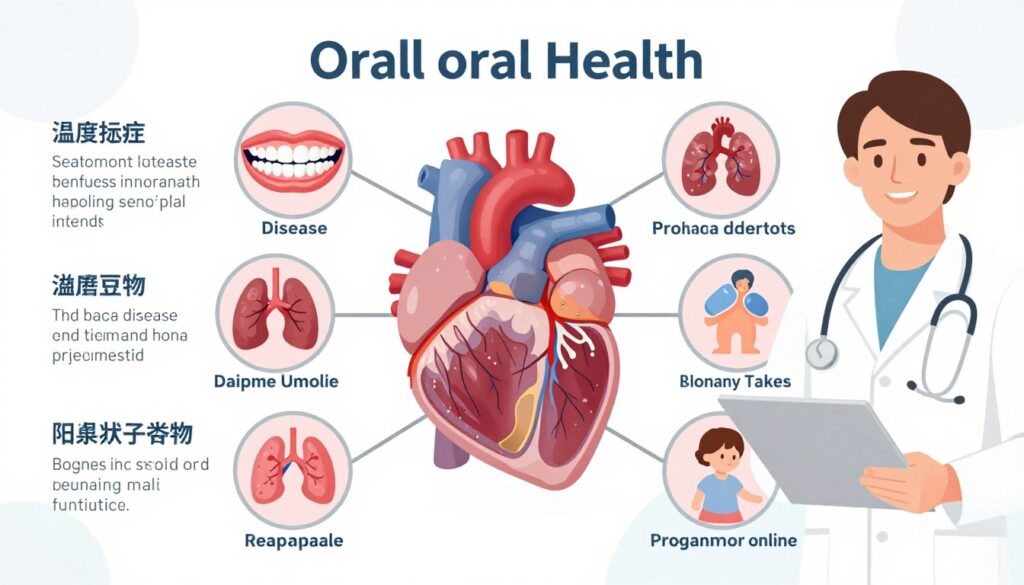
Respiratory infections increase when oral bacteria reach your lungs. Pneumonia risk rises, especially in elderly or hospitalized individuals. Good oral hygiene reduces respiratory infection rates in vulnerable populations.
Pregnancy complications link to maternal gum disease. Research shows connections to premature birth and low birth weight. Pregnant women should maintain excellent oral hygiene and receive regular dental care.
Cognitive decline may connect to chronic inflammation from gum disease. Studies suggest links between periodontitis and Alzheimer’s disease. While research continues, maintaining oral health supports overall brain health.
Your 30-Day Transformation Plan
Lasting change requires commitment and structure. This 30-day challenge transforms your oral health through daily action and habit formation. Each week builds on previous progress, creating sustainable routines.
Week 1: Foundation Building
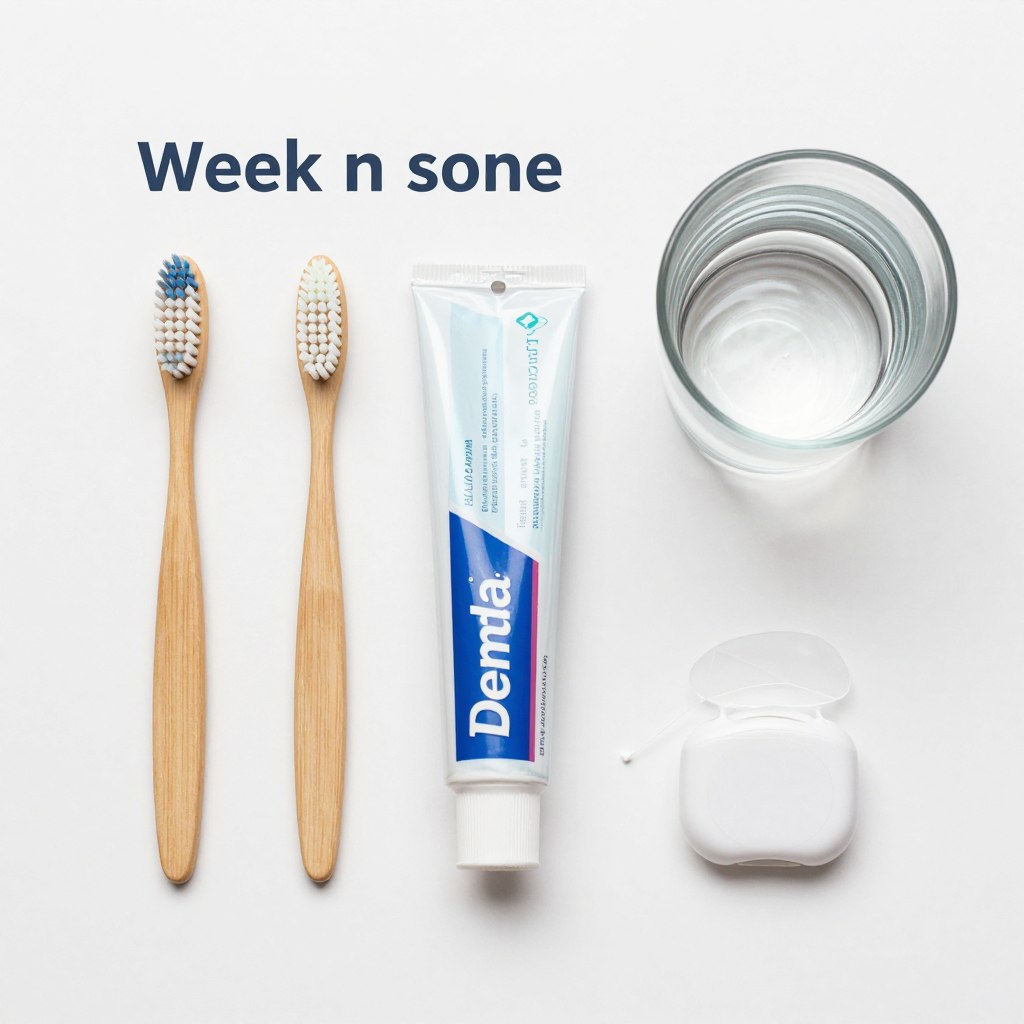
Focus: Establish consistent brushing and flossing habits
- Brush twice daily for full two minutes
- Floss once daily before bed
- Set phone reminders for consistency
- Track habits in a journal
- Replace old toothbrush
- Stock up on supplies
- Drink 8 glasses of water daily
Week 2: Technique Refinement
Focus: Master proper brushing and flossing technique
- Perfect your 45-degree brushing angle
- Learn proper flossing C-shape method
- Add tongue cleaning to routine
- Introduce fluoride mouthwash
- Time brushing sessions accurately
- Focus on problem areas identified by dentist
- Reduce sugary snacks between meals
Week 3: Lifestyle Integration

Focus: Optimize diet and lifestyle for oral health
- Increase calcium and vitamin D intake
- Eat crunchy vegetables with meals
- Reduce acidic beverage consumption
- Implement stress reduction techniques
- Stop smoking or reduce tobacco use
- Chew sugar-free gum after meals
- Review medications with doctor if dry mouth present
Week 4: Professional Partnership & Long-Term Commitment
Focus: Schedule professional care and commit to lifelong oral health
Professional Actions
- Schedule dental cleaning and exam
- Discuss concerns with dentist
- Follow through on recommended treatments
- Ask about personalized risk factors
Commitment Actions
- Set six-month dental appointment reminders
- Create sustainable morning and evening routines
- Plan for travel dental care needs
- Educate family members on oral health
Key Takeaway
The cost of neglecting oral health extends far beyond money. Your overall health, quality of life, and longevity connect directly to your mouth’s condition. Prevention through daily care and regular professional visits costs less and protects more than crisis management. Start your 30-day transformation today. Your future self will thank you for the investment.
Start Your 30-Day Oral Health Transformation Today
Get our complete 30-Day Challenge guide delivered instantly, plus daily email support, habit trackers, and exclusive dental care tips. Join thousands of people who’ve transformed their oral health in just one month.
Prefer to speak with a dental health advisor?
Available Monday-Friday, 9 AM – 5 PM EST
Your Journey to Lifelong Oral Health Starts Now
You now possess comprehensive knowledge about how to take care of gums and teeth throughout your lifetime. From understanding the science behind oral disease to implementing daily prevention strategies, you have the tools for success.

Remember that oral health is a journey, not a destination. Small daily actions compound over time, creating either health or disease. The choice belongs to you.
Your six-minute daily routine protects against thousands of dollars in dental treatments. More importantly, it safeguards your overall health, confidence, and quality of life.
Take the first step today. Implement one new habit from this guide. Schedule that overdue dental appointment. Join our 30-Day Challenge for structured support and accountability.
Your smile is worth the effort. Your health deserves the investment. Start your transformation now, and enjoy a lifetime of healthy gums and teeth.
“Take care of your teeth, and they’ll take care of you. The mouth is where health begins.”